People
Theory A is bigger than any one person. Here's who's building it.
The organizations that create the most value with AI will not simply automate existing work. They will redesign the enterprise around what intelligence now makes possible.
Perspective
Practice
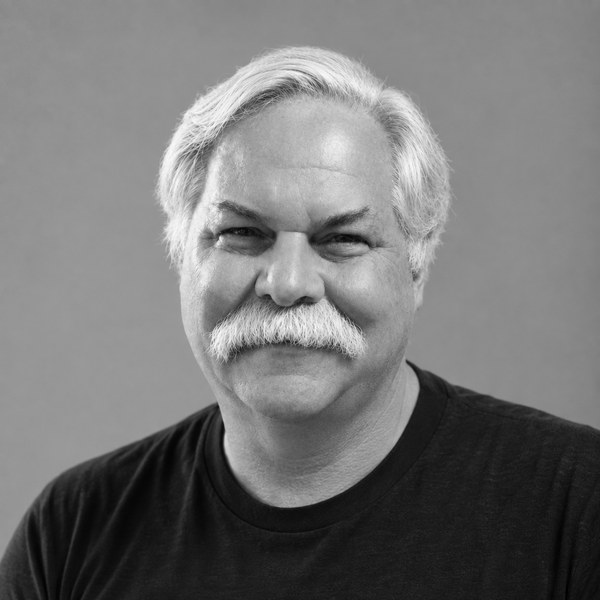
I have been watching technology reshape work since before keyboards existed. Across nearly five decades, I have had a front-row seat to every major wave: mainframes, personal computers, client-server systems, enterprise platforms, the internet, cloud, automation, analytics, and now AI. That vantage point has convinced me that what is happening now is not simply the biggest technology transformation in workplace history. It is as significant as all prior transformations combined.
My work begins from a simple premise: AI transformation is not a technology implementation. It is a redesign of how work is organized, how decisions are made, and how human and artificial agency work together. I help leaders understand those deeper implications and design organizations capable of acting on them.
I am the creator of The AI Enterprise and AI Native Shared Services Collections, and co-author of the Theory A manifesto and principles.
When I am not thinking about the future of organizations, I am building one of a different kind. My backyard farm is a work in progress toward full sustainability, and it keeps me honest about what it actually takes to design a system that compounds over time.
Organizational agency is not something leaders can simply ask for. It is a capacity the organization must be deliberately designed to create.
Systems
Transformation
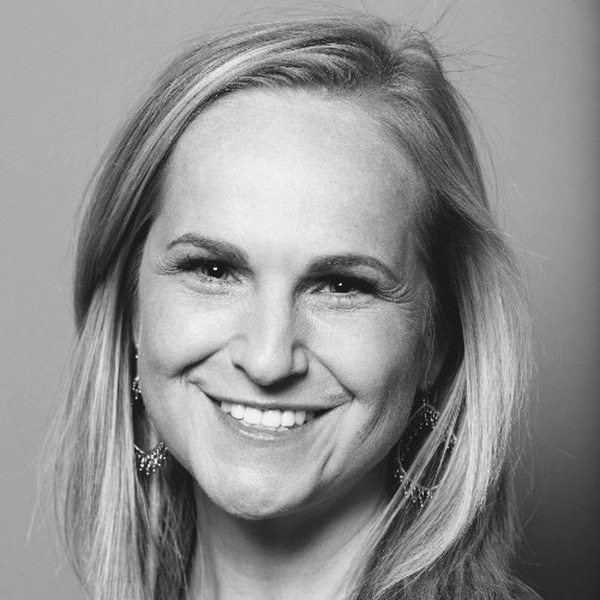
I began my career in politics, not because I wanted to hold office, but because I was troubled by how little agency most people felt over systems that shaped their lives. That question eventually pulled me toward technology and the workplace, where I have spent more than two decades helping organizations respond to fundamental shifts in how work gets done and value is created.
I have built new markets, consulting practices, methodologies, and client offerings across the Americas, Europe, and the Pacific, working repeatedly at moments of transition where emerging ideas needed to move into practice. I believe transformation only matters when it can actually change how an organization operates, not just how it thinks.
At TheoryA.ai, I am the architect of the firm’s model, including Digital Intelligence, the Collections structure, and the advisory approach that brings Theory A to life. I am co-author of the Theory A manifesto and principles and the creator of the Design for Agency Collection.
Outside of this work, I am a certified sommelier with a long-held dream of one day opening a small, carefully curated wine shop. It is a dream about curation, judgment, and the belief that the best things do not need to be complicated to be extraordinary.
Work With Us
How to start.
The Organizational Agency Index. Coming soon
A structured read of the assumptions shaping how your function operates today. Free to complete. Where an organization stops reading about the problem and starts seeing its own.
The Diagnostic.
Turns the Index result into a decision: what can evolve inside your existing structure, and where building new is the honest answer.
Everything after that.
Executive advisory, working sessions, and the design and build of the new operating structure, with ongoing support as it takes hold.
Our published work is available now. The AI Enterprise and AI Native Shared Services can be read or downloaded in full, and every Signal we publish is open to anyone.
We are taking a small number of advisory conversations.
Book a Conversation